Office furniture takes a specific kind of punishment: chairs rolled up against it hundreds of times a week, laptops and monitors shifted around daily, elbows leaned on the same six inches of surface for years. It also has to do double duty most furniture doesn’t...
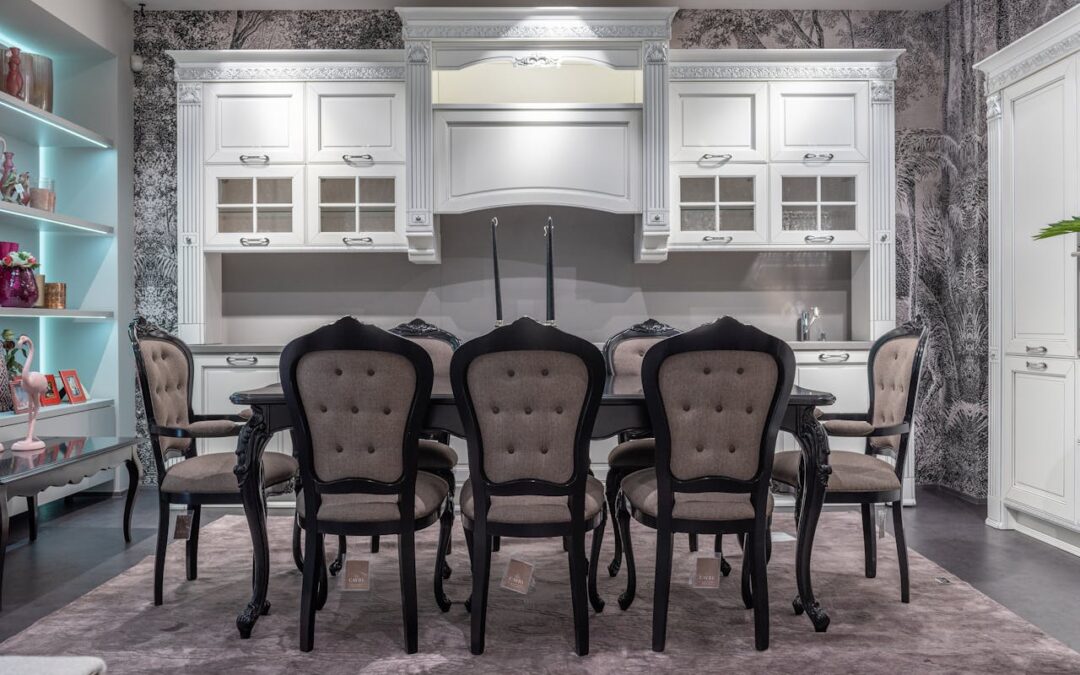
Most dining table regret has nothing to do with finish or wood species. It comes down to one question nobody asked early enough: how many people actually sit at this table on a normal Tuesday, versus Thanksgiving? Those are usually two very different numbers, and the...
“Custom” and “stock” cabinets can look nearly identical in a showroom photo. The difference shows up two years later, in how the doors sit, how the drawers slide, and whether the box has started to sag at the corners. Here’s what’s...
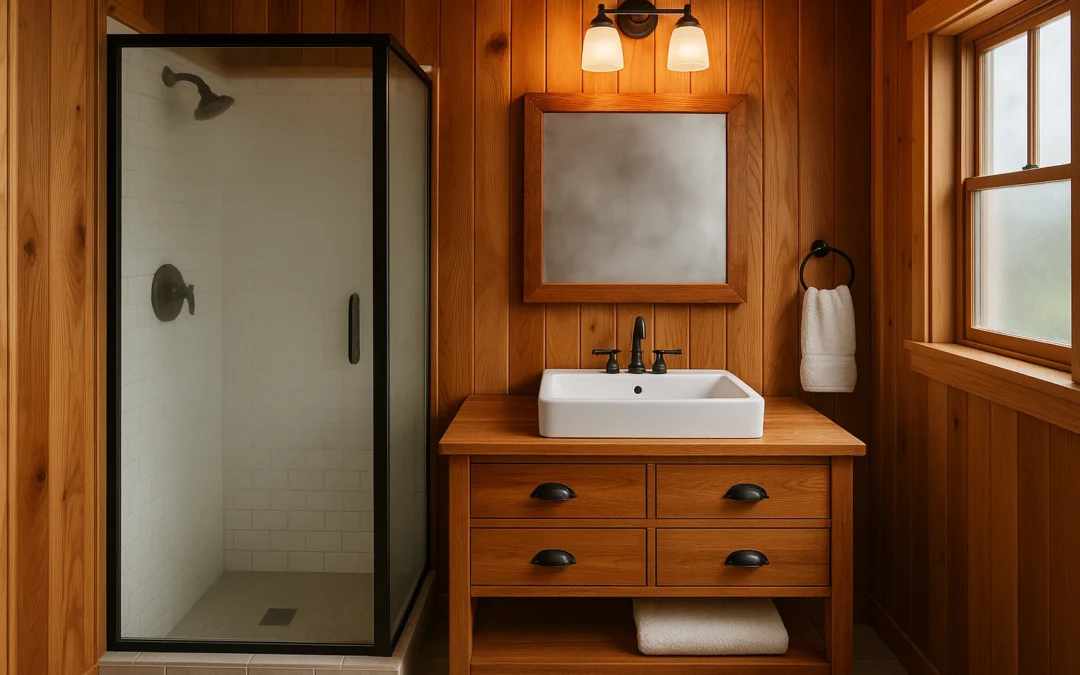
A bathroom vanity lives in the worst conditions any piece of furniture in the house faces: standing water, splashback, steam, and humidity swings every single day. Most vanities don’t fail from age. They fail from moisture — and the material underneath the paint...
Choosing furniture room by room without a framework leads to mismatch, poor flow, and repeated replacements. The correct approach is functional: identify what each room must handle, assign a piece that solves that load, and select material that holds up under use....